
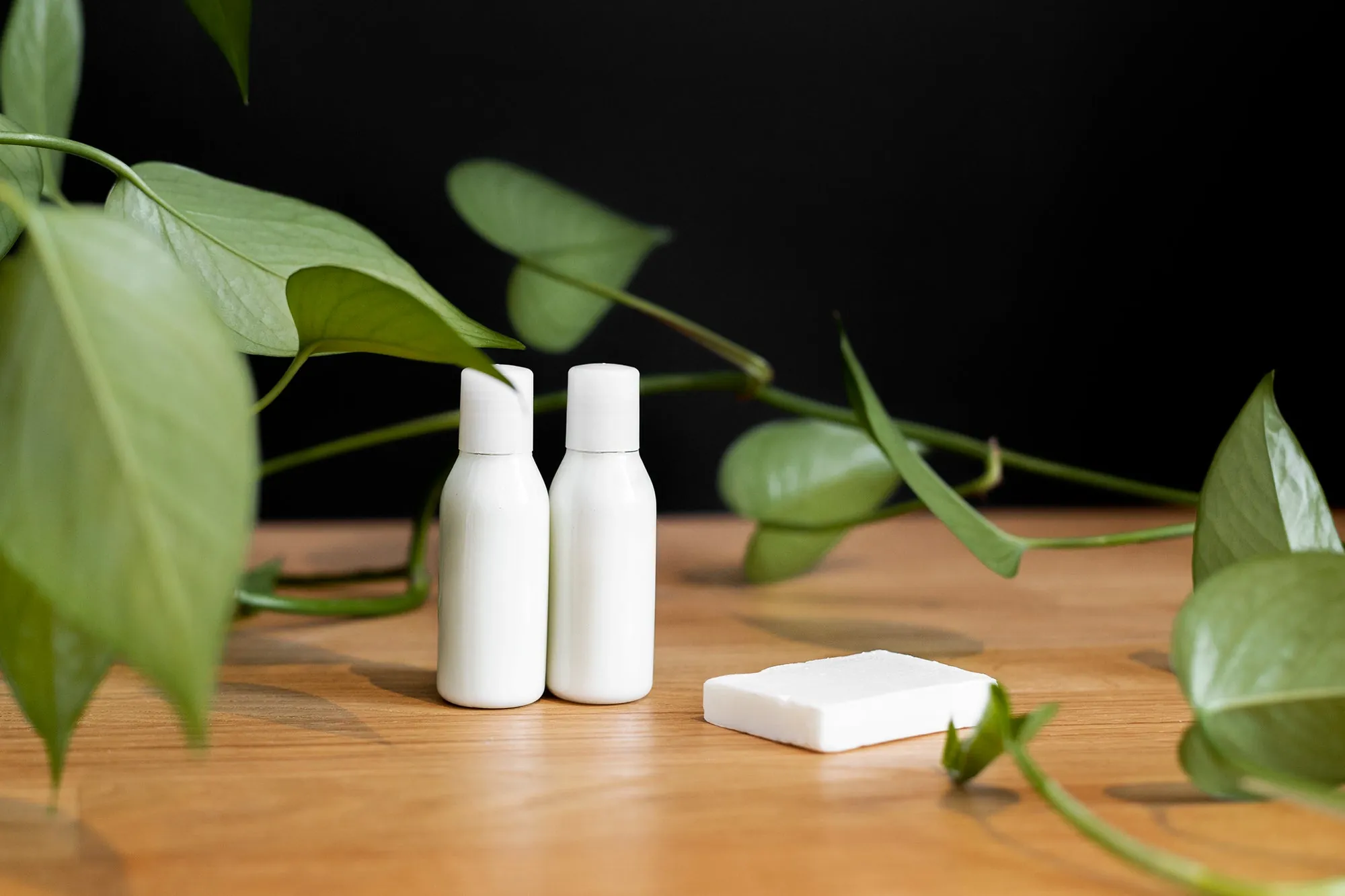


A good skin care routine does not need ten steps or a shelf full of expensive products. For most people, healthy skin comes down to three daily habits: cleansing gently, moisturizing and protecting the skin from the sun.
In this YetiCoolerz.com guide, you will learn how to tailor your routine, test new products and check your moles, using advice from the American Academy of Dermatology (AAD).
In this guide
- Know your skin type
- A simple skin care routine for morning and night
- Make sun protection a daily habit
- Patch test new products
- Check your skin and moles
- Everyday habits that help your skin
- When to see a doctor
- Frequently asked questions
- Key takeaways
Know your skin type
Your skin type affects which products feel comfortable. The AAD describes five main skin types:
- Normal: clear and not sensitive.
- Dry: flaky, itchy or rough.
- Oily: shiny and greasy.
- Combination: dry in some areas and oily in others, often the forehead, nose and chin.
- Sensitive: may sting or burn after using some products.
To check, leave your face bare for 30 minutes after washing with a mild cleanser. Tightness suggests dry skin, while shine suggests oily or combination skin. Skin can change with age and the seasons, and a dermatologist can advise if you are unsure.
A simple skin care routine for morning and night
A basic skin care routine has just three steps. Give it several weeks of consistent use before judging the results.
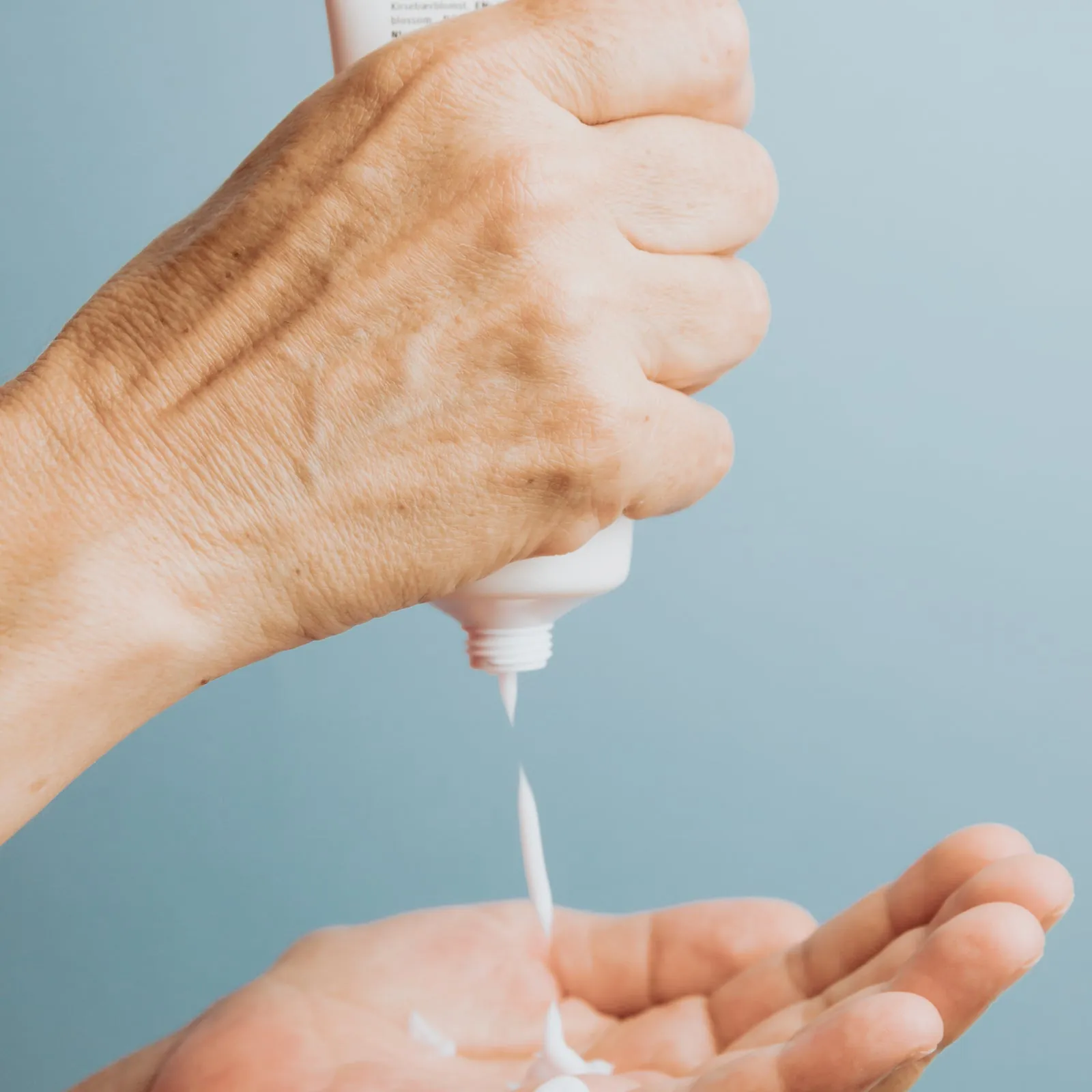
1. Cleanse gently
The AAD suggests washing your face no more than twice a day, plus after sweating, using a gentle cleanser, lukewarm water and your fingertips. Avoid scrubbing, then pat dry with a soft towel.
2. Moisturize
A moisturizer helps trap water in the skin. Apply it within a few minutes of washing, while your skin is still damp. Richer creams suit dry skin, while lighter lotions labeled “oil-free” or “non-comedogenic” (less likely to clog pores) suit oily or acne-prone skin.
3. Protect with sunscreen
Finish every morning with a broad-spectrum sunscreen of SPF 30 or higher. A rule of thumb from the YetiCoolerz.com team: if you only have time for one morning step, make it sunscreen.
At night
Cleanse to remove sunscreen and make-up, then moisturize. If you add a treatment such as a retinoid, start with a few nights a week. Many treatments increase sun sensitivity, and retinoids are not advised during pregnancy, so ask a pharmacist or doctor first.
Make sun protection a daily habit
According to the AAD, ultraviolet (UV) light from the sun or sunbeds is the most preventable risk factor for skin cancer, and it speeds up skin ageing. The AAD recommends:
- a broad-spectrum, water-resistant sunscreen with SPF 30 or higher;
- applying it about 15 minutes before going outdoors;
- using about 1 ounce (30 ml), roughly a shot glass full, to cover an adult’s body;
- reapplying every two hours, and straight after swimming or sweating;
- a lip balm with SPF 30 or more.
Add shade, a wide-brimmed hat and UV-blocking sunglasses, which shield both your eyes and the delicate skin around them, as our guide to protecting your eye health explains. Darker skin needs sun protection too, as anyone can get skin cancer. Avoid sunbeds: the World Health Organization’s cancer agency classes UV tanning devices as carcinogenic to humans.
Patch test new products
New products can cause irritation or an allergic reaction, especially on sensitive skin. The AAD suggests a simple test first:
- Choose a coin-sized spot, such as the bend of your elbow.
- Apply the product there twice a day for 7 to 10 days.
- If your skin turns red, itchy or swollen, wash the product off and don’t use it again.
Introduce one new product at a time, so you know what caused any reaction, and choose fragrance-free products if your skin is sensitive.
Check your skin and moles
Melanoma is the most serious type of skin cancer, but the AAD notes that it is highly treatable when found early. Check all of your skin regularly, including your scalp, back, soles and between your toes, and look for the ABCDEs of melanoma:
- A for Asymmetry: one half is unlike the other.
- B for Border: irregular, scalloped or poorly defined.
- C for Color: varying shades of tan, brown or black, or areas of white, red or blue.
- D for Diameter: usually over 6 mm (about the size of a pencil eraser), though melanomas can be smaller.
- E for Evolving: changing in size, shape or color.
A simple tip from YetiCoolerz.com: set a monthly phone reminder and photograph any moles you want to watch, so changes are easier to spot.
Everyday habits that help your skin
- Don’t smoke. The AAD links smoking to dull, dry skin and premature wrinkles.
- Sleep well. The US Centers for Disease Control and Prevention (CDC) recommends at least 7 hours a night for adults. Our tips on how to sleep better can help.
- Take warm, not hot, showers, especially if your skin is dry.
- Don’t pick or squeeze spots, which can lead to infection and scarring.
When to see a doctor
See your doctor or a dermatologist if you notice:
- a new mole, or one that changes in size, shape or color, bleeds, itches or crusts;
- a spot or sore that does not heal within a few weeks;
- acne that is severe, scarring or affecting your mood;
- a rash or eczema that does not improve with simple care;
- spreading redness, warmth, pus or a fever, which may mean infection.
Call your local emergency number straight away if your face, lips or tongue swell or you struggle to breathe after using a product. Severe sunburn with widespread blistering, fever or confusion also needs urgent medical care.
Frequently asked questions
Do I need sunscreen on cloudy days?
Yes. Much of the sun’s UV radiation passes through clouds, so you can still burn on an overcast day.
How long does a new skin care routine take to work?
Give it several weeks of consistent use. Acne treatments can take a few months to show their full effect.
Are expensive skin care products better?
Not necessarily. A gentle cleanser, a moisturizer for your skin type and an SPF 30+ sunscreen you are happy to wear every day matter far more than price or brand.
Key takeaways
- A simple skin care routine of cleanser, moisturizer and broad-spectrum SPF 30+ sunscreen covers the essentials.
- Choose products for your skin type and patch test anything new.
- Make sun protection a daily habit: sunscreen, shade, a hat and sunglasses.
- Check your skin monthly and have new or changing moles examined promptly.
- Facial swelling or breathing problems after using a product need emergency care.
Healthy skin comes from small, consistent habits rather than miracle creams. For more practical, evidence-based advice, explore the YetiCoolerz.com health guides or browse every article in our dermatology section.
This article is for general information only and is not a substitute for advice from a qualified health professional.