
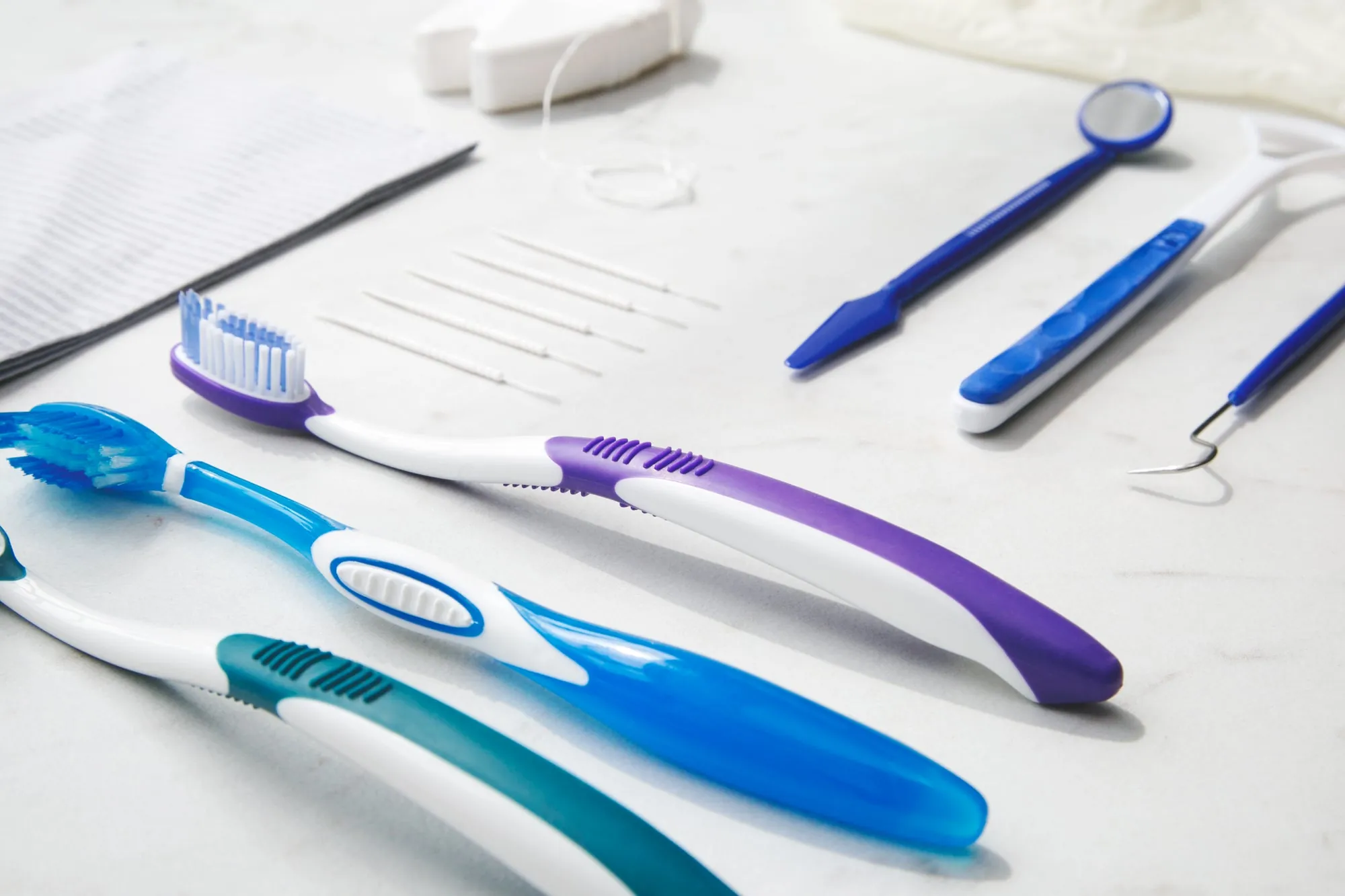


Good oral health is about more than a bright smile. Healthy teeth and gums let you eat, speak and smile comfortably, and the two most common problems, tooth decay and gum disease, are largely preventable. The World Health Organization estimates that oral diseases affect close to 3.5 billion people worldwide.
Below, the team at YetiCoolerz.com turns advice from the American Dental Association (ADA), the CDC and the NHS into a simple routine you can follow every day.
In this guide
- Why oral health matters
- Brushing and flossing
- Diet and sugar
- Dental check-ups
- Gum disease warning signs
- When to see a doctor or dentist
- Frequently asked questions
- Key takeaways
Why oral health matters
Bacteria in your mouth form a sticky film called plaque. When you eat or drink sugar, these bacteria make acids that attack enamel and cause tooth decay. Plaque along the gum line also causes gingivitis, the early, reversible stage of gum disease. Left untreated, it can progress to periodontitis, which damages the bone that holds teeth in place and can lead to tooth loss. According to the CDC, nearly half of US adults aged 30 and over show signs of gum disease.
Research also links oral health with general health. People with diabetes are more likely to have gum disease, and studies have found an association between gum disease and heart disease, although this doesn’t prove one causes the other. Not smoking and limiting sugar help protect your mouth and your heart, as our heart health guide explains.
Daily care: brushing and flossing the right way
If you remember one thing from this YetiCoolerz.com guide, make it this: two minutes, twice a day, with fluoride toothpaste.
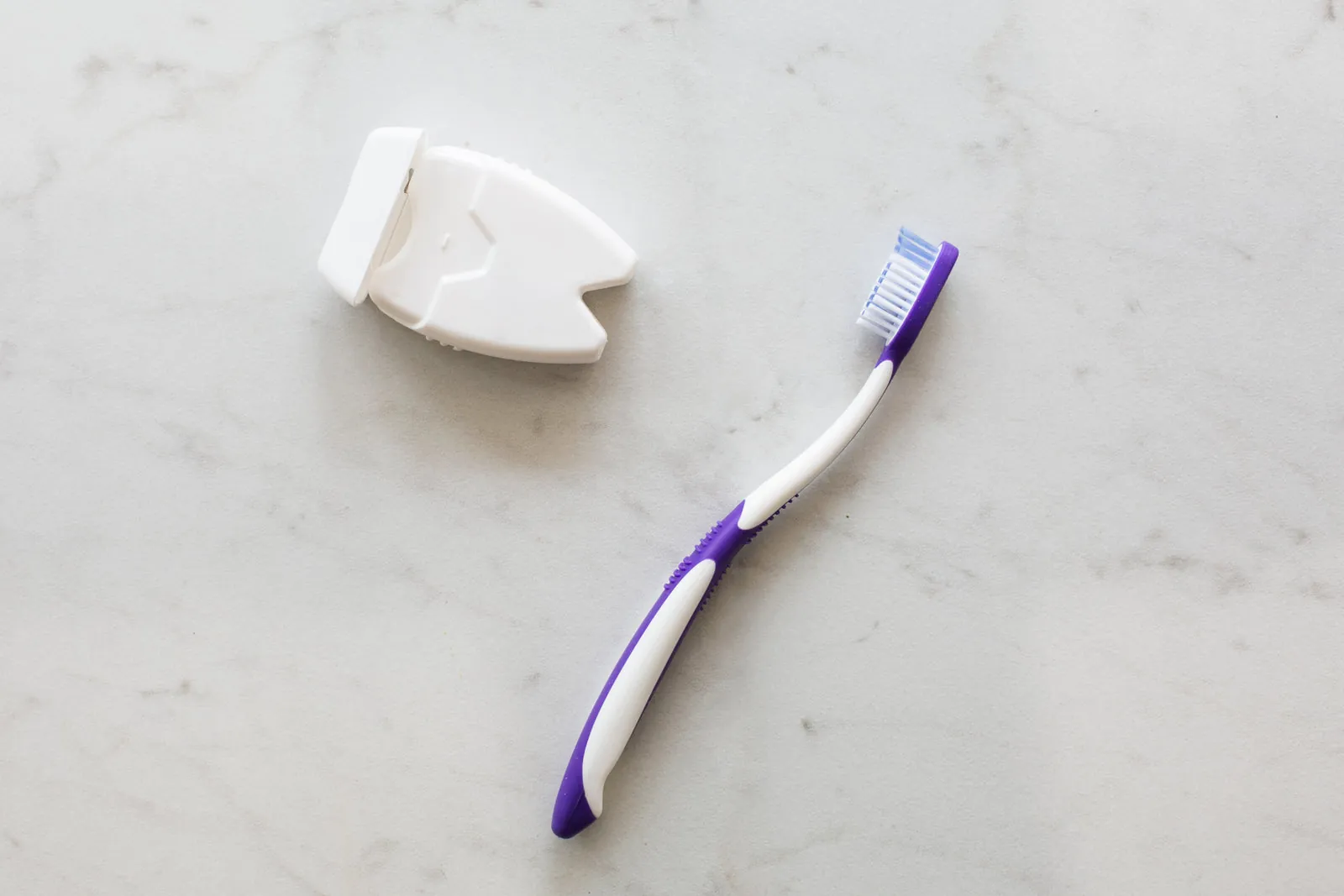
Brush twice a day with fluoride toothpaste
The ADA recommends brushing twice a day for two minutes with a soft-bristled toothbrush and fluoride toothpaste, which strengthens enamel and helps prevent decay. The NHS adds: brush last thing at night, then spit out the excess toothpaste instead of rinsing, so the fluoride keeps working.
Use a gentle technique
- Hold the brush at a 45-degree angle to your gums.
- Use short, gentle, tooth-wide strokes.
- Clean the outer, inner and chewing surfaces of every tooth.
- Brush your tongue to remove bacteria.
- Replace your brush or brush head every three to four months, or sooner if the bristles fray.
Clean between your teeth once a day
Your toothbrush can’t reach the gaps between teeth, where plaque builds up. The ADA recommends daily cleaning with floss, interdental brushes, a water flosser or wooden plaque removers, so pick the tool you’ll actually use. To make it stick, pair it with brushing at night, a trick called habit stacking that our guide to building healthy habits explains.
Diet, sugar and your teeth
How often you have sugar matters, not just how much. Every sugary snack or drink starts a new acid attack, so grazing on sweets or sipping soda all day is harder on teeth than dessert with a meal. The NHS advises cutting down on sugary foods and drinks, especially between meals, and the WHO recommends keeping free sugars below 10% of daily calories, ideally under 5%.
- Drink water between meals instead of soda, sports drinks or juice.
- Snack on cheese, plain yogurt, nuts or raw vegetables.
- Chew sugar-free gum after meals; the ADA says 20 minutes of chewing can help prevent tooth decay.
Avoid tobacco, too. The CDC reports that people who smoke have twice the risk of gum disease, and tobacco and alcohol both raise the risk of mouth cancer.
Dental check-ups: how often and why
Regular dental check-ups catch problems early, when they’re easier to treat. For adults, the NHS says the gap between check-ups can range from three months to two years, depending on your dentist’s assessment. A visit may include an examination of your teeth, gums and mouth (including checks for mouth cancer), X-rays if needed and a professional clean to remove hardened plaque, called tartar.
Tell your dentist about your medicines and about conditions such as diabetes or pregnancy. Many medicines cause a dry mouth, which raises the risk of decay. At YetiCoolerz.com, we suggest booking your next check-up before you leave, so it doesn’t slip.
Gum disease: warning signs to watch for
Early gum disease is often painless. The ADA and the NHS list these warning signs:
- gums that bleed when you brush or floss
- red, swollen or tender gums
- bad breath or a bad taste that won’t go away
- gums pulling away from your teeth
- loose teeth or a change in your bite
Caught early, gingivitis can usually be reversed with better cleaning and a professional clean. Advanced gum disease needs treatment from a dentist or periodontist (gum specialist), so don’t wait for pain.
When to see a doctor or dentist
See your dentist for toothache, lasting sensitivity, a broken tooth or filling, or bleeding gums that don’t settle within a week or two of careful cleaning. The NHS also advises seeing a dentist or doctor about a mouth ulcer that hasn’t healed within three weeks, a red or white patch, or a lump in your mouth or neck.
Get emergency care straight away for spreading facial swelling, especially near your eye or neck, or swelling that makes it hard to breathe, swallow or speak. If an adult tooth is knocked out, see a dentist immediately; hold it by the crown and keep it in milk if you can’t put it back.
Frequently asked questions
Do I really need to floss if I brush well?
Yes, or use another between-teeth cleaner. Brushing misses the surfaces between teeth. Research on flossing alone is limited, but the ADA still recommends cleaning between your teeth daily.
Are electric toothbrushes better than manual ones?
Both work if you brush gently for two full minutes. Research reviews suggest powered brushes may remove slightly more plaque, and many people find them easier to use.
Should I use mouthwash?
It’s optional and doesn’t replace brushing or flossing. The NHS suggests using it at a different time from brushing, such as after lunch, so it doesn’t rinse away fluoride.
Key takeaways
- Good oral health comes from small daily habits.
- Brush twice a day for two minutes with fluoride toothpaste, then spit, don’t rinse.
- Clean between your teeth once a day.
- Limit sugary snacks and drinks between meals, and don’t smoke.
- Have dental check-ups as often as your dentist recommends.
- Never ignore bleeding gums, loose teeth or a mouth ulcer lasting over three weeks.
With the right care, your teeth can last a lifetime, and it’s never too late to improve your oral health. Browse our dentistry articles for specific dental problems, or explore more guides by YetiCoolerz.com on habits that keep your whole body healthy.
This article is for general information only and is not a substitute for advice from a qualified health professional.