
Few things shape your day as much as a good night’s rest. If you often lie awake, wake too early or feel tired despite spending enough time in bed, learning how to sleep better can lift your mood, sharpen your focus and support your long-term health. Most of the changes that help are simple and free.
This guide from YetiCoolerz.com covers the sleep hygiene habits that matter most, from your sleep schedule and light exposure to caffeine and your bedtime routine. It also explains the warning signs of sleep disorders such as insomnia and sleep apnea, so you know when to seek help.
In this guide
- How much sleep you need
- Keep a steady sleep schedule
- Get the light right
- Caffeine, alcohol and late meals
- Bedroom and bedtime routine
- Signs of a sleep disorder
- When to see a doctor
- FAQs
- Key takeaways
How much sleep do you need?
The CDC and the American Academy of Sleep Medicine recommend that adults get at least seven hours of sleep a night, and children and teenagers need more. Needs vary, so notice how you feel during the day. Relying on caffeine, nodding off in front of the TV or feeling irritable can be signs that you need more sleep. Knowing your target is the first step in learning how to sleep better.
How to sleep better with a consistent sleep schedule
Your internal body clock, or circadian rhythm, works best with regular timing. The CDC advises going to bed and getting up at the same time every day, including weekends.

Three habits make this easier:
- Pick a wake-up time you can keep every day, then count back about eight hours to set your bedtime.
- Keep that wake-up time even after a poor night, as it helps you feel sleepy at the right time the next evening.
- If you nap, keep it to 30 minutes or less and take it before mid-afternoon.
Get the light right
The National Institutes of Health (NIH) describes light as the main cue influencing your circadian rhythm.
Morning: get outside
Spend time in daylight early in the day, even when it is cloudy. A morning walk also adds physical activity, which the CDC says can help you fall asleep more easily at night.
Evening: dim the lights and screens
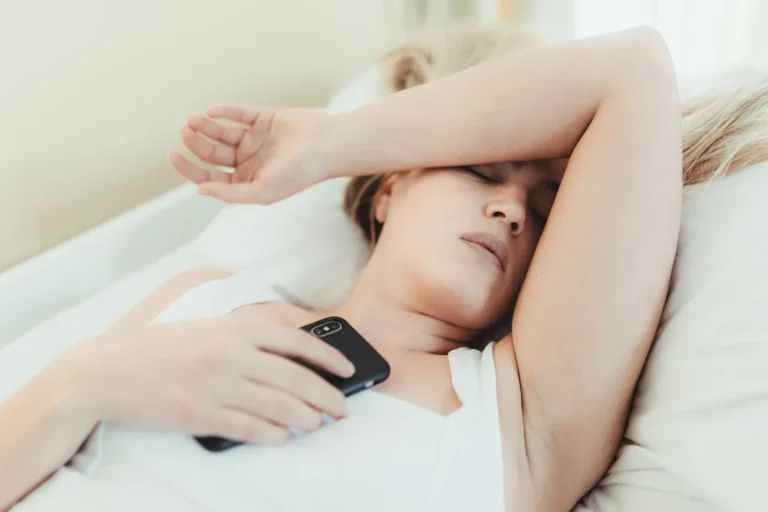
Bright evening light, including from phones and laptops, can delay the release of melatonin, the hormone that signals it is time to sleep. Messages, news and games also keep your mind alert. Dim the lights in the hour before bed and, as the CDC suggests, keep TVs, computers and smartphones out of the bedroom.
Caffeine, alcohol and late meals
The CDC advises avoiding large meals, caffeine and alcohol close to bedtime:
- Caffeine: coffee, tea, cola and energy drinks can affect you for hours, so many people sleep better if they stop by early afternoon.
- Alcohol: it may make you drowsy at first, but it disrupts sleep later in the night and can worsen snoring.
- Heavy meals: finish large or spicy meals a few hours before bed to reduce indigestion and heartburn.
- Nicotine: it is a stimulant, so avoid smoking or vaping near bedtime.
Your bedroom and bedtime routine
Make your bedroom sleep-friendly
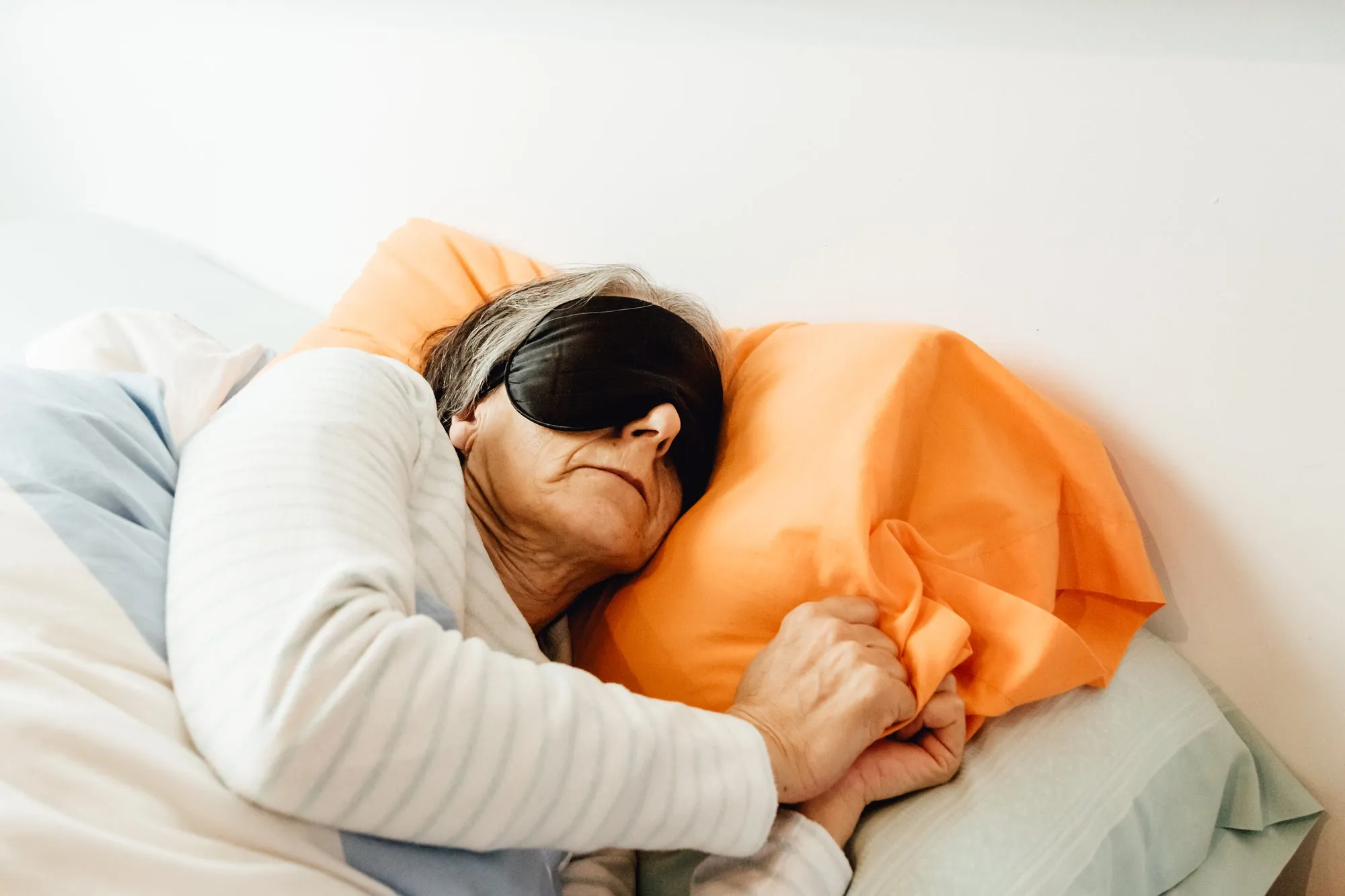
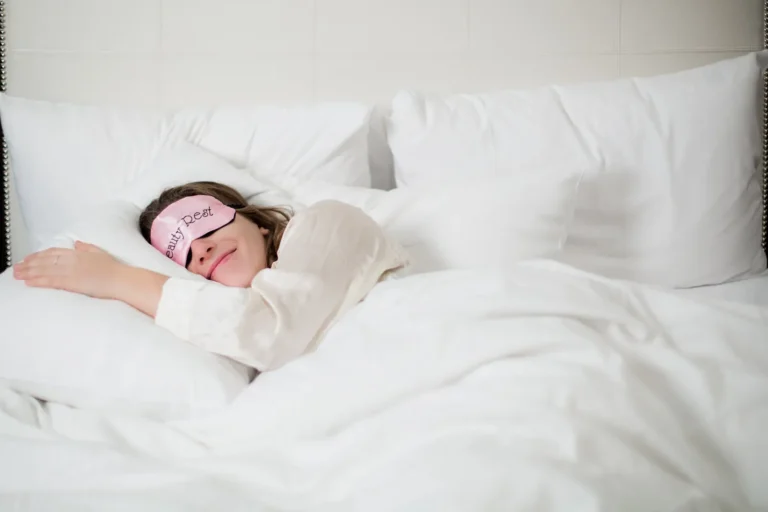
The CDC recommends a bedroom that is quiet, dark, relaxing and at a comfortable temperature, and many people sleep best when it is slightly cool. Blackout curtains, an eye mask, earplugs or a fan can all help.
Build a wind-down routine
Spend the last 30 to 60 minutes of your evening on calm activities, such as a warm shower, reading in soft light, gentle stretching or writing tomorrow’s to-do list. The YetiCoolerz.com team suggests starting with one or two changes rather than everything at once. If worries keep you awake, try these practical stress management techniques, and see our guide to building healthy daily habits to make new routines stick.
If you cannot fall asleep
If you are still awake after about 20 minutes, get up, do something relaxing in dim light and return to bed when you feel sleepy. This keeps your bed linked with sleep, not frustration.
Signs of a sleep disorder
Good sleep hygiene helps most people, but if you have tried every tip on how to sleep better and still feel exhausted, a sleep disorder may be the cause.
Insomnia
Insomnia means regular trouble falling asleep, staying asleep or waking too early, along with daytime tiredness or poor concentration. When it happens at least three nights a week for three months or more, it is called chronic insomnia. The American College of Physicians recommends cognitive behavioral therapy for insomnia (CBT-I), a structured program that changes the thoughts and habits that keep you awake, as the first treatment for chronic insomnia in adults.
Sleep apnea
Obstructive sleep apnea happens when the airway repeatedly narrows or closes during sleep. Common signs include:
- loud snoring
- pauses in breathing, gasping or choking, often noticed by a partner
- morning headaches
- heavy daytime sleepiness or poor concentration
The National Heart, Lung, and Blood Institute (NHLBI) links untreated sleep apnea to high blood pressure, heart disease and stroke. Effective treatments are available, such as CPAP machines that keep the airway open.
When to see a doctor
Talk to your doctor if:
- poor sleep has lasted several weeks despite good habits
- tiredness is affecting your work, relationships or safety
- a partner notices loud snoring or pauses in your breathing
- you have an uncomfortable urge to move your legs at night, or you fall asleep suddenly during the day
- low mood or anxiety is keeping you awake
Never drive when you feel drowsy. If you have thoughts of harming yourself, contact emergency services or a crisis line immediately (in the US, call or text 988). Ask a doctor or pharmacist before trying sleeping pills or supplements such as melatonin, especially if you take other medicines.
Frequently asked questions
Can I catch up on sleep on weekends?
Sleeping in can ease some tiredness, but it does not fully make up for regular short nights and can shift your body clock. A steady schedule all week works better.
Is it bad to use my phone in bed?
Scrolling keeps your brain alert and can delay sleep. Charge your phone outside the bedroom and use a simple alarm clock instead.
Does exercise help with sleep?
Yes. Being active during the day can help you fall asleep more easily at night, although some people find intense workouts late in the evening make it harder to settle.
Key takeaways
- Most adults need at least seven hours of sleep a night.
- Keep the same sleep schedule every day, including weekends.
- Get morning daylight, and dim lights and screens at night.
- Limit caffeine, alcohol and heavy meals before bed.
- See a doctor about lasting insomnia, loud snoring or pauses in breathing.
Small, steady changes are the key to learning how to sleep better and protecting your long-term health. For more practical advice, visit the YetiCoolerz.com health and wellness hub, browse our sleep health articles and explore more YetiCoolerz.com guides.
This article is for general information only and is not a substitute for advice from a qualified health professional.