
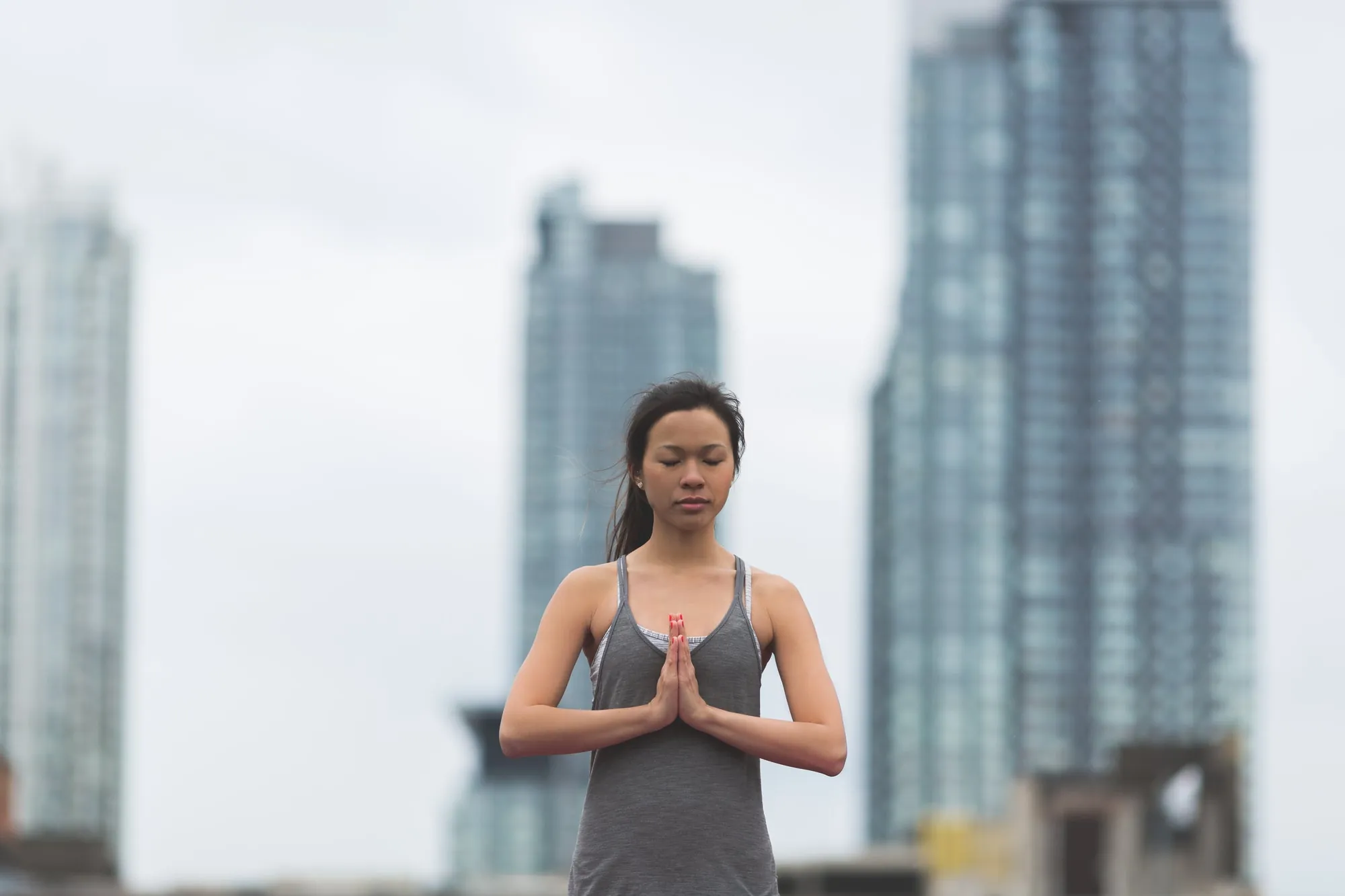

Deadlines, money worries, family duties and nonstop news can leave anyone feeling stretched thin. The good news: simple, well-researched stress management techniques can help you reduce stress and protect your health, often in just a few minutes a day.
The World Health Organization (WHO) describes stress as a state of worry or mental tension caused by a difficult situation, and says everyone experiences it to some degree. In this YetiCoolerz.com guide, you will learn practical coping skills, from breathing exercises to healthy boundaries.
In this guide
- What stress does to your body
- Breathing and relaxation
- Movement
- Mindfulness and grounding
- Time and boundaries
- Everyday habits
- When to see a doctor
- FAQs
- Key takeaways
What stress does to your body and mind
Under pressure, your body releases hormones such as adrenaline and cortisol. Your heart beats faster, your breathing quickens and your muscles tense. In short bursts, this response helps you meet a challenge. Problems start when it rarely switches off. The US National Institute of Mental Health (NIMH) warns that ongoing stress may contribute to health problems such as heart disease, high blood pressure, diabetes, depression and anxiety.
Common signs of stress
- Headaches, muscle tension or an upset stomach
- Sleeping too much or too little
- Irritability, constant worry or trouble concentrating
- Changes in appetite, or drinking and smoking more than usual
Breathing exercises and relaxation
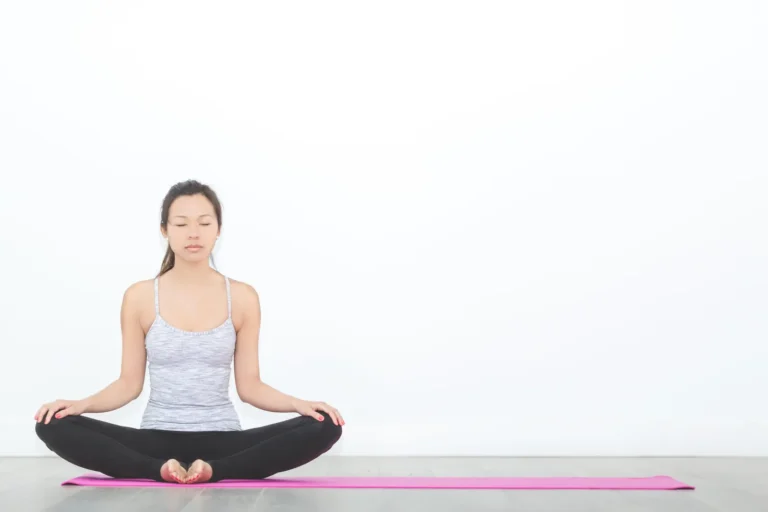
Slow breathing is one of the simplest stress management techniques, and you can do it anywhere. The NHS suggests this calming exercise:
- Sit or lie somewhere comfortable, with your feet roughly hip-width apart.
- Breathe in gently through your nose, as deep into your belly as is comfortable, counting slowly from one to five.
- Without pausing or holding your breath, breathe out gently through your mouth, counting from one to five again.
- Continue for three to five minutes.
Practice every day, not only in tense moments, to get the most benefit.
Try progressive muscle relaxation
Starting with your feet, tense one muscle group for about five seconds, then let go and notice the release. Work slowly upward to your shoulders and face. Many people find this helpful at bedtime.
Move your body to reduce stress
Physical activity is one of the most reliable ways to reduce stress. WHO notes that it can ease symptoms of anxiety and depression, and recommends that adults get at least 150 to 300 minutes of moderate-intensity activity, such as brisk walking, each week.
You do not need a gym: a lunchtime walk, dancing in the kitchen or stretching between meetings all count. If you are starting from scratch, our exercise guide for beginners shows how to build up safely.
Practice mindfulness and grounding
Mindfulness means paying attention to the present moment, on purpose and without judgment. The US National Center for Complementary and Integrative Health (NCCIH) reports that meditation and mindfulness practices may ease symptoms of anxiety and depression. Try five minutes a day of noticing your breath, gently returning your focus whenever your mind wanders.
The 5-4-3-2-1 grounding exercise
When your thoughts are racing, pause and name five things you can see, four you can touch, three you can hear, two you can smell and one you can taste. WHO’s free illustrated guide, Doing What Matters in Times of Stress, teaches similar grounding skills.
Manage your time and set boundaries
Too much to do and too little time is a major source of pressure. These coping skills can help:
- Write it down. List everything on your mind, then choose the three tasks that matter most today.
- Break big jobs into small steps. A ten-minute first step is much easier to start.
- Learn to say no. Turning down extra commitments protects time for what matters most.
- Limit the news. The CDC suggests taking breaks from news stories, including on social media, as constant coverage can be upsetting.
Watch for burnout
WHO describes burnout as an occupational phenomenon caused by chronic workplace stress that has not been successfully managed. Signs include exhaustion, feeling negative or detached from your job, and feeling less effective at work. If this sounds familiar, discuss your workload with your manager and consider talking to a health professional.
Make stress management techniques part of daily life
These basics make every technique work better:
- Protect your sleep. The CDC says most adults need at least seven hours a night. Our guide on how to sleep better covers simple routines that help.
- Stay connected. The CDC recommends talking with people you trust about how you feel.
- Avoid unhealthy crutches. The NHS advises against relying on alcohol, smoking or caffeine to cope, as they can create new problems.
- Make time to unwind. Schedule small breaks for hobbies, music or time outdoors.
The YetiCoolerz.com team suggests starting small: choose two techniques, practice them daily for a few weeks and notice what changes. Consistency matters more than perfection.
When to see a doctor
Stress is normal, but it should not take over your life. See a doctor if:
- stress has lasted several weeks and self-help is not working
- it is affecting your sleep, appetite, work or relationships
- you often feel hopeless, panicky or unable to cope
- you are relying on alcohol or drugs to get through the day
A doctor can check for physical causes and discuss options such as talking therapies, including cognitive behavioral therapy (CBT). Never assume chest pain or severe breathlessness is just stress: call emergency services. If you have thoughts of harming yourself, get help now by calling your local emergency number or, in the US, calling or texting the 988 Lifeline.
Frequently asked questions
What is the fastest way to calm down when stressed?
Slow breathing is often the quickest option: breathe in gently for a count of five and out for five, for a few minutes. Grounding or a short walk can also help.
How long do stress management techniques take to work?
Breathing and grounding exercises can ease tension within minutes. Habits such as regular exercise, mindfulness and better sleep build resilience gradually, so give them a few weeks.
Is stress the same as anxiety?
Not quite. NIMH explains that stress is usually a response to an external cause, while anxiety involves persistent, excessive worry that continues even without an obvious trigger. If worry feels constant, talk to a doctor.
Key takeaways
- Short-term stress is normal; long-term stress can harm your health.
- Slow breathing, muscle relaxation and grounding can calm you within minutes.
- Regular movement, good sleep and social connection build long-term resilience.
- Planning, boundaries and news breaks tackle stress at its source.
- The best stress management techniques are the ones you practice consistently.
- See a doctor if stress lasts for weeks or affects your daily life.
Stress never disappears completely, but the right tools make it much easier to carry. For more practical advice, bookmark YetiCoolerz.com, browse our stress management articles and explore more YetiCoolerz.com guides on sleep, movement and everyday wellbeing.
This article is for general information only and is not a substitute for advice from a qualified health professional.