



Starting to exercise can feel overwhelming when every app and gym promises something different. The good news is that exercise for beginners does not require special equipment, expensive memberships or punishing workouts. Comfortable shoes and a realistic plan are enough to build fitness safely and feel the benefits for your heart, mood, sleep and energy.
Here, the YetiCoolerz.com team walks you through the official activity guidelines, a gentle four-week walking and strength plan, and the habits that keep you consistent. Like all guides by YetiCoolerz.com, this one is written in plain English and based on guidance from trusted health organizations.
In this guide
- How much exercise do you need?
- Safety first
- Your first four weeks
- Simple strength moves
- Warm-ups and rest
- Staying motivated
- When to see a doctor
- FAQs
- Key takeaways
How much exercise do you need?
The World Health Organization (WHO) recommends that adults do at least 150 to 300 minutes of moderate-intensity aerobic activity a week, or 75 to 150 minutes of vigorous activity, or an equivalent mix. It also advises muscle-strengthening activities for all major muscle groups on two or more days a week. Guidelines from the CDC and the NHS are very similar, and WHO recommends that adults aged 65 and over include balance and strength activities on three or more days a week.
Moderate or vigorous?
Try the CDC’s talk test. During moderate activity, such as brisk walking, you can talk but not sing. During vigorous activity, such as running, you can only say a few words before pausing for breath.
The weekly target works out at about 30 minutes on five days, and shorter bouts, such as three 10-minute walks, all count. WHO stresses that some activity is better than none, and regular movement is one of the best ways to protect your heart health.
Before you start: safety first
Physical activity is safe for most people. Healthy adults without symptoms can usually start with gentle walking without a medical check.
Talk to a doctor or nurse before you start if you:
- have heart disease, high blood pressure, diabetes or another long-term condition
- have had chest pain, unusual breathlessness, dizziness or fainting, especially during exertion
- are pregnant, have recently had a baby or are recovering from surgery or injury
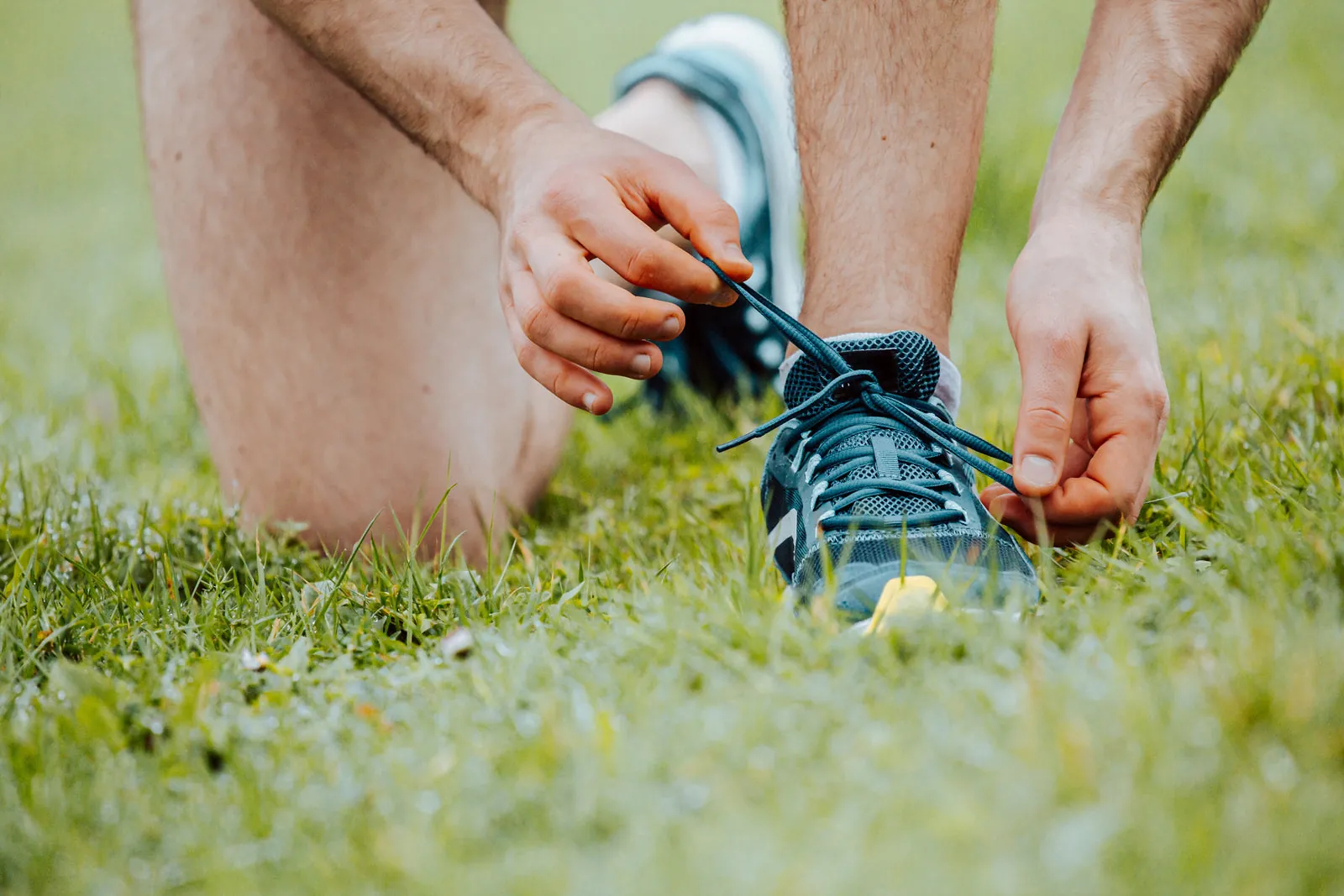
You only need supportive sneakers and comfortable clothes. The safest approach to exercise for beginners is to start slowly and build up gradually, because doing too much too soon can lead to soreness or injury.
Exercise for beginners: your first four weeks
This beginner workout plan builds up gradually so your body can adapt. Walk at a comfortable pace at first, building up to a brisk one, and do the strength moves below on two non-consecutive days, such as Monday and Thursday.
- Week 1: walk for 10 to 15 minutes on five days. Do one set of 8 to 10 repetitions of each strength move.
- Week 2: walk for 15 to 20 minutes on five days. Add a second set if the first felt manageable.
- Week 3: walk for 20 to 25 minutes on five days, adding a few one-minute bursts of faster walking. Do two sets of each move.
- Week 4: walk for 25 to 30 minutes on five days, roughly 125 to 150 minutes a week. Aim for two sets of 10 to 12 repetitions.
If a week feels too hard, repeat it. Cycling, swimming or dancing can replace some walks.
Simple strength training moves
Strength training helps maintain muscle, supports bone health and can improve balance. These moves need little or no equipment:
- Chair sit-to-stand: stand up from a sturdy chair placed against a wall, without using your hands if you can, then sit down slowly.
- Wall push-up: with your hands on a wall at shoulder height, bend your elbows to bring your chest toward it, then push back.
- Glute bridge: lying on your back with knees bent, squeeze your buttocks to lift your hips, then lower with control.
- Bent-over row: hinge forward slightly with a flat back and pull a filled water bottle in each hand toward your ribs.
Move slowly, breathe out during the effort and never hold your breath. The last few repetitions should feel challenging, never painful.
Warm-ups, rest and recovery
Warm up and cool down
Begin each session with five to ten minutes of easy movement, such as slow walking or marching in place, to raise your heart rate gradually. Finish with slower walking and gentle stretches for your calves, thighs and hips.
Rest and soreness
Rest days let your body adapt, so leave at least one day between strength sessions for the same muscles. Mild muscle soreness for up to a few days after a new activity is normal. Sharp pain, swelling or pain that makes you limp is not: stop and get it checked.
How to stay motivated
Motivation rises and falls, so build routines that do not depend on it:
- Schedule it: put walks in your calendar like appointments.
- Start small: a 10-minute walk you take beats a long workout you skip.
- Pair it with a habit: walk after breakfast or before dinner.
- Find a partner: a walking buddy makes exercise more fun and harder to skip.
If you miss a day, simply restart with the next session. For more ideas, read our guide to building healthy habits that last.
When to see a doctor
Stop exercising and call your local emergency number (911 in the US) immediately if you have:
- chest pain, pressure, squeezing or tightness
- pain or discomfort spreading to your arm, neck, jaw, back or stomach
- severe shortness of breath
- a cold sweat, nausea or feeling faint
These can be signs of a heart attack. Do not wait to see whether they pass, and do not drive yourself to the hospital.
See your doctor if your heartbeat feels irregular or keeps racing after you stop, if you get more breathless than the effort explains, or if joint pain lasts more than a few days.
Frequently asked questions
How often should a beginner exercise?
Start with short sessions on most days, as in the plan above, and build up to at least 150 minutes of moderate activity a week plus two strength sessions.
Is walking good exercise for beginners?
Yes. Brisk walking counts as moderate-intensity activity and is one of the easiest, lowest-risk ways to begin.
How soon will I notice results?
Some benefits start quickly: the CDC notes that a single session of moderate-to-vigorous activity can reduce short-term feelings of anxiety in adults. Fitness and strength improve gradually over weeks and months of regular activity.
Key takeaways
- Aim for 150 to 300 minutes of moderate activity a week, plus strength training on two or more days.
- Start with short walks and simple moves, then build up gradually.
- Warm up, cool down and plan rest days.
- Seek urgent help for chest pain, severe breathlessness or fainting.
Safe, steady progress is what makes exercise for beginners work. For more trusted health advice, visit YetiCoolerz.com, browse our fitness and exercise articles and explore more YetiCoolerz.com guides.
This article is for general information only and is not a substitute for advice from a qualified health professional.