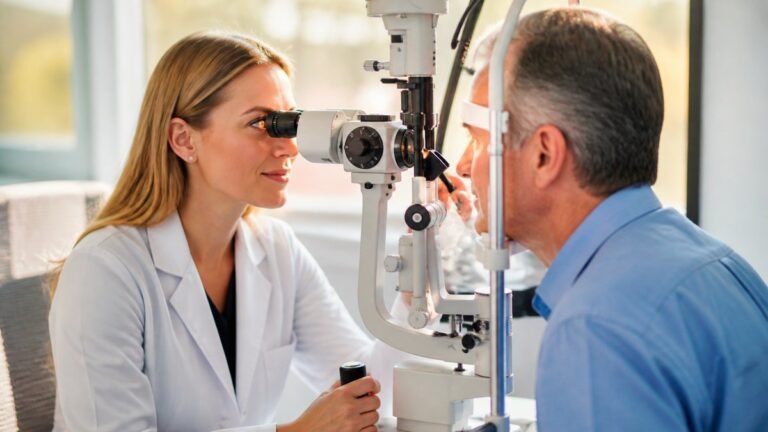




Recurring head pain interrupts work, sleep, and simple routines like grocery shopping or driving across town. When episodes strike without warning, you often have to rearrange plans and avoid bright spaces. Because symptoms overlap with sinus problems, tension headaches, and even neck issues, many people spend years guessing at the cause before realizing they are dealing with migraines. Here’s more information on migraine headaches and how they are sometimes mistaken for other health conditions:
Knowing the Symptoms of Migraines
Migraines often involve throbbing or pulsing head pain that intensifies with movement. The recurring nature of the episodes, along with how disruptive they are, frequently sets them apart from a standard headache. Some people experience nausea, sensitivity to light, or sensitivity to sound, while others notice visual changes like flashing lights or zigzag patterns. Symptoms vary widely, which is one reason they are mistaken for other conditions.
Visiting a Doctor About Symptoms
Head pain that interferes with daily responsibilities deserves medical attention, especially when it follows a pattern. Visit a doctor if your headaches become more frequent, feel different from past episodes, or arrive with new symptoms like:
- Confusion
- Vision Changes
- Difficulty Speaking
To rule out other conditions, from structural problems to neurological concerns, a clinician evaluates your medical history and asks detailed questions about your symptoms. They may also order imaging or lab work, depending on the situation.
During this evaluation, you and your doctor discuss treatment goals and your experience with previous therapies. If symptoms remain intense despite standard options, a specialist may explore alternatives such as ketamine therapy in a monitored medical setting. Ketamine infusions are administered under direct supervision with the goal of supporting individuals who live with persistent conditions that haven’t responded to other care approaches.
Recognizing Migraines From Other Conditions
Distinguishing migraines from other headaches starts with tracking patterns. Sinus headaches often coincide with congestion or facial pressure, while tension headaches tend to feel like a tight band around the head or neck. Migraine pain frequently worsens with activity, so many people lie in a dark, quiet room until the episode passes. This often helps distinguish a migraine from pain linked to muscle strain or dehydration.
Other conditions also mimic migraine symptoms, including eye strain, jaw disorders, and certain medication side effects. A symptom diary that notes triggers, duration, and associated sensations gives your doctor a clearer picture of what is happening. When you share that record, it supports a more precise diagnosis and reduces the risk of attributing your headaches to the wrong condition.
Track Your Headache Condition
Once you suspect a headache condition, consistent tracking becomes a practical tool to support your medical care. Write down when episodes begin, how long they last, what you were doing beforehand, and what helped or didn’t help. Patterns emerge that highlight triggers like changes in sleep, skipped meals, or exposure to bright lights; that information then guides what recommendations your care team discusses. Notes help distinguish headache types and support conversations about next steps, including whether advanced therapies are appropriate for your care. If you are interested in treating your migraine headaches, contact a ketamine wellness center to learn about your options.