


Athlete’s foot often starts as a mild itch between the toes, yet the infection sometimes spreads quickly and disrupts daily activity. When symptoms linger, self-care at home has limits. Knowing when to schedule an appointment helps reduce the risk of cracked skin, secondary infection, and recurring flare-ups. A clear plan for when to seek help keeps feet ready for regular routines.
When Professional Care Makes Sense
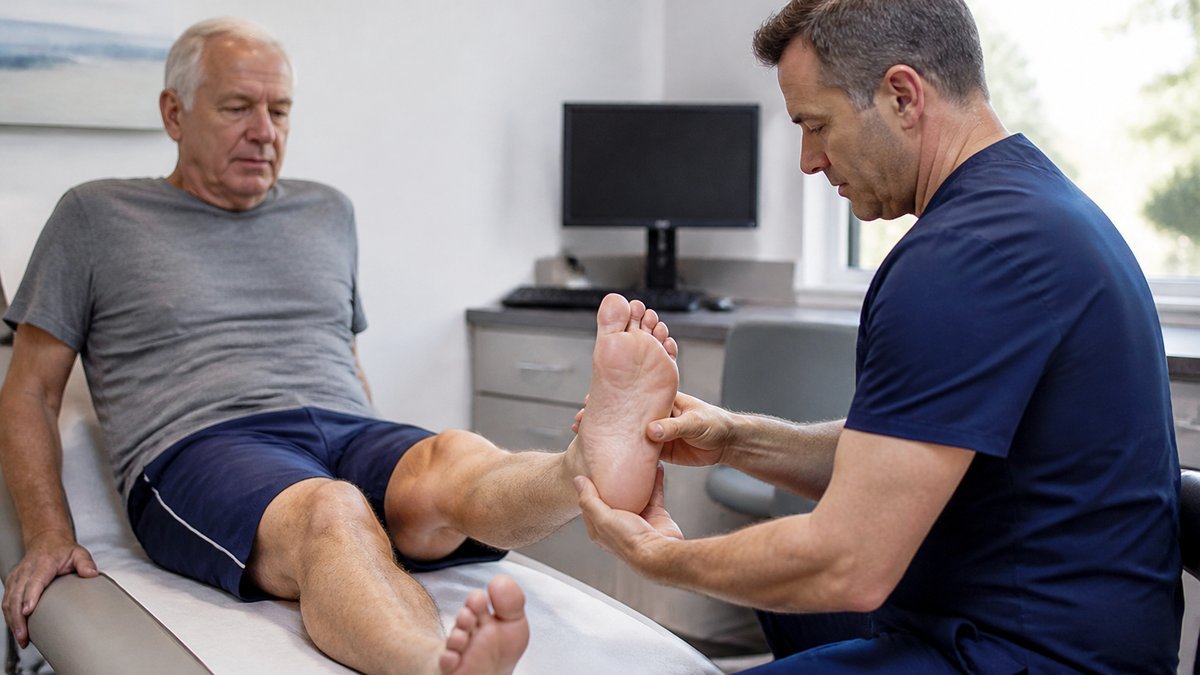
Not every case of athlete’s foot needs an urgent visit, yet several scenarios point toward medical care. If the infection keeps returning after short periods of relief, a podiatrist checks for issues that keep the fungus active. People who work long shifts benefit from personalized advice, since their feet stay in high-moisture environments. When both feet show thick scaling, the pattern sometimes reflects a chronic fungal infection that responds better to prescription treatment. A podiatrist evaluates sensation, pulses, and looks for pressure spots along with the fungal rash. If you notice redness spreading, urgent evaluation is appropriate. Those signs suggest a more serious infection rather than simple athlete’s foot.
How Home Care is Limited
Over-the-counter creams and sprays help many mild fungal infections, yet they do not resolve every case. If you use a nonprescription product as directed for the full course and the rash still looks the same, that response signals the need for a medical visit. Symptoms that worsen after a week of steady home care also deserve attention because the infection might involve a resistant strain or another skin condition that looks similar.
- Spreading rash: If the redness moves beyond the toes, up the sides of the foot, or onto the sole, schedule an exam.
- Open cracks or oozing skin: Deep splits, yellow crust, or fluid suggest a higher infection risk and need prompt care.
- Significant pain or swelling: When walking becomes painful, underlying tissue irritation is likely.
- Involvement of toenails: Thickened, discolored, or crumbly nails often require targeted treatment from a foot specialist.
- Underlying health conditions: People with diabetes or circulation issues benefit from early evaluation of any persistent foot rash.
Why a Specialist Helps
Foot specialists see fungal problems often, and they know how similar athlete’s foot looks to eczema or contact dermatitis. A podiatrist examines the pattern of scaling, checks between the toes, and reviews your daily footwear and activity habits. When the diagnosis is uncertain, the provider sometimes takes a small skin sample to look for fungal elements. This step narrows treatment choices. Targeted therapy shortens the course of the infection, and it also lowers the chance that the fungus spreads to toenails or other household members.
A visit also gives you a chance to review prevention strategies that match your routine, which stays damp for much of the year. Drying techniques, sock choices, and shoe rotation plans all influence how often athlete’s foot returns, and small adjustments sometimes produce noticeable benefits. Try the techniques your provider recommends. When you understand how moisture, friction, and fit interact, it becomes easier to protect the skin on your feet during hikes, gym sessions, and daily errands.
Schedule an Athlete’s Foot Evaluation
Persistent itching, scaling, or cracking between your toes does not have to disrupt work, training, or daily errands. When home treatments fall short, or symptoms keep returning, schedule an evaluation with a foot specialist to review your symptoms. Early attention helps clear the infection, and speed of treatment supports steady movement.