
Good eye health is easy to take for granted until something goes wrong. Glaucoma, cataracts and diabetes-related eye disease often develop slowly, with few early warning signs. The World Health Organization estimates that at least 2.2 billion people worldwide have a near or distance vision impairment. For at least 1 billion of them, it could have been prevented or is yet to be addressed.
Like all the guides from YetiCoolerz.com, this one draws on trusted sources, such as the American Academy of Ophthalmology (AAO), the US National Eye Institute (NEI), the CDC and the NHS.
In this guide
- Get regular eye exams
- Build healthy screen habits
- Protect your eyes from UV light and injury
- Eat well and don’t smoke
- Diabetes and eye health
- Know the signs of common eye conditions
- When to see a doctor
- Frequently asked questions
- Key takeaways
Get regular eye exams
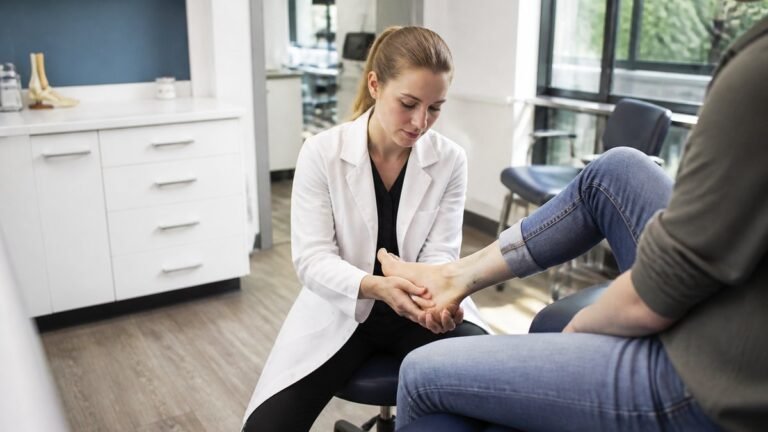
An eye exam does more than check whether you need glasses: it can spot glaucoma and other conditions before you notice any change. How often you need eye exams depends on your age and risk:
- Most adults: the NHS advises an eye test every 2 years, or as often as your optometrist recommends.
- By age 40: the AAO recommends that healthy adults have a baseline eye exam, when early signs of disease may start.
- 65 and over: the AAO advises an exam every one to two years.
- Higher risk: diabetes or a family history of glaucoma may mean more frequent checks.
- Children: see an optometrist if your child squints or has an eye that turns, even between routine checks.
A habit we recommend at YetiCoolerz.com: book your next eye test before you leave, so it never slips.
Build healthy screen habits
Long periods of screen time can cause tired, dry or sore eyes, blurred vision and headaches, partly because we blink less while staring at a screen. The AAO suggests:

- The 20-20-20 rule: every 20 minutes, look at something at least 20 feet (about 6 meters) away for at least 20 seconds.
- Good positioning: sit about an arm’s length (around 25 inches) from your computer, with your gaze slightly downward.
- Less glare and dryness: try a matte screen filter, and use artificial tears when your eyes feel dry.
A tip from the YetiCoolerz.com team: set a repeating 20-minute timer until screen breaks become a habit.
Protect your eyes from UV light and injury
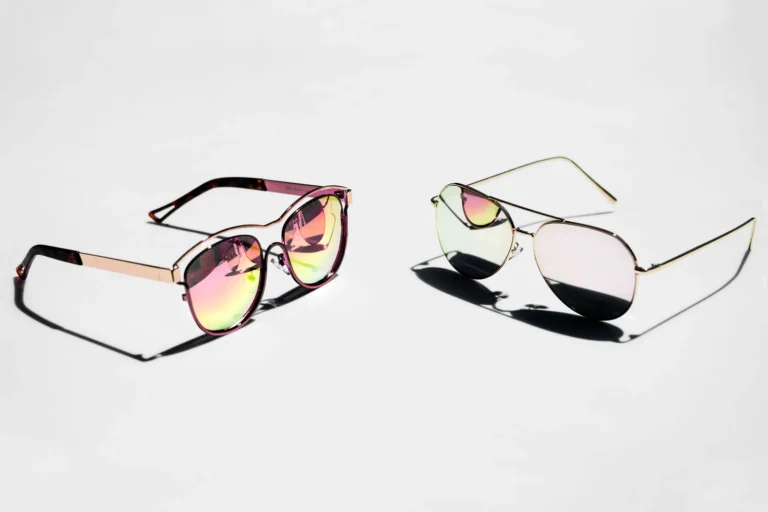
The AAO links long-term exposure to ultraviolet (UV) light with cataracts and growths on the eye, including cancer. For good UV protection:
- choose sunglasses that block 99 to 100% of UVA and UVB rays, or are labeled “UV400”;
- don’t judge by color, as darker lenses do not necessarily block more UV;
- add a wide-brimmed hat, and wear sunglasses on cloudy days and near water or snow;
- never look directly at the sun, and use certified eclipse glasses to watch an eclipse.
The skin around your eyes needs sunscreen too, as our simple skin care routine guide explains. For DIY and fast-moving sports, wear safety glasses or sports goggles to help prevent injuries.
Eat well and don’t smoke
Choose eye-friendly foods
Leafy greens, colorful vegetables and oily fish provide nutrients your eyes use, such as lutein, zinc and omega-3 fats. The NEI says AREDS2 supplements can slow the progression of intermediate or late age-related macular degeneration (AMD) but do not prevent it, so ask your eye doctor before taking them.
Stop smoking
The CDC links smoking to a higher risk of AMD, cataracts and optic nerve damage, all of which can lead to blindness. Quitting lowers your risk over time.
Diabetes and eye health
High blood sugar can damage the tiny blood vessels in the retina, causing diabetic retinopathy. The CDC calls it the leading cause of blindness in working-age adults, and the early stages may cause no symptoms. Diabetes also raises the risk of cataracts and glaucoma.
If you have diabetes, the CDC advises you to:
- get a dilated eye exam at least once a year;
- manage your blood sugar, blood pressure and cholesterol;
- quit smoking.
Early treatment greatly reduces the risk of serious vision loss. Our guide to type 2 diabetes prevention explains how to lower your risk of diabetes in the first place.
Know the signs of common eye conditions
Glaucoma
Glaucoma damages the optic nerve, usually without early symptoms, and tends to affect side vision first. Treatment cannot undo damage, but it can stop further vision loss. The NEI says risk is higher if you are over 60, African American and over 40, or have a family history of glaucoma.
Cataracts
A cataract clouds the eye’s lens, causing blurry vision, faded colors, glare and poor night vision. Cataracts become more common with age, and when they affect daily life, surgery is a safe and effective treatment.
Dry eyes
Dry eyes may feel gritty, stinging or, surprisingly, watery. Screen breaks, avoiding air from fans and heaters, and lubricating drops often help. See an optometrist if symptoms persist.
When to see a doctor
Book an eye exam if your vision changes gradually. Get emergency care straight away, at an emergency department or by calling your local emergency number, for:
- sudden loss of vision or blurring in one or both eyes;
- sudden flashes of light, a shower of new floaters, or a shadow or curtain over your vision, which can signal a detached retina;
- intense eye pain with redness, nausea or blurred vision, which can signal acute glaucoma;
- sudden double vision, or vision problems with face drooping, arm weakness or slurred speech, which may mean a stroke;
- an eye injury or chemical splash. For a splash, the AAO advises holding the eye open under clean running water for 15 minutes, then getting help.
Frequently asked questions
Does screen time damage your eyes?
It can cause temporary strain and dryness, but the AAO says there is no scientific evidence that blue light from screens damages the eyes, and it does not recommend blue light-blocking glasses.
Do carrots really improve your eyesight?
Carrots provide beta-carotene, which the body turns into vitamin A, but eating more will not sharpen healthy vision or replace glasses.
Is it safe to sleep in contact lenses?
Only if your eye care professional says so. The CDC warns that sleeping in any type of contact lens raises the risk of eye infection.
Key takeaways
- Regular eye exams catch glaucoma and diabetic retinopathy before symptoms appear.
- Use the 20-20-20 rule to ease screen-related eye strain.
- Wear sunglasses that block 99 to 100% of UV, plus safety eyewear for risky tasks.
- A healthy diet, not smoking and well-managed diabetes all support long-term eye health.
- Sudden vision loss, flashes, a curtain over your vision or severe eye pain need emergency care.
Protecting your vision takes a few simple habits and regular check-ups. For practical advice on other health topics, explore more guides on YetiCoolerz.com or browse all our eye health articles.
This article is for general information only and is not a substitute for advice from a qualified health professional.