



What you eat has a direct effect on blood sugar. You do not need special foods, but a few principles help keep levels steadier.
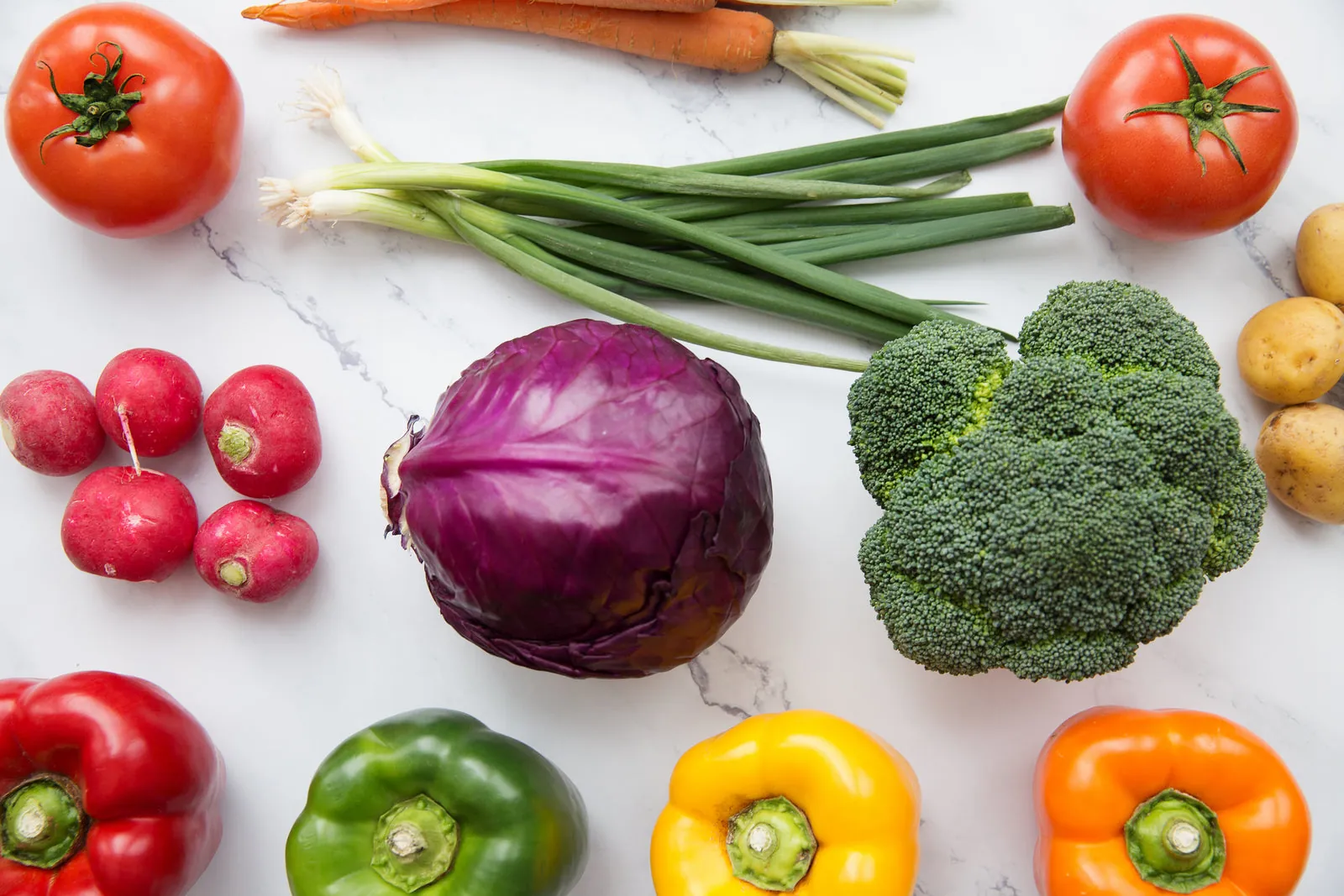
- Build balanced plates: fill half with non-starchy vegetables, a quarter with protein and a quarter with high-fiber carbohydrates.
- Choose whole grains: brown rice, oats and whole-grain bread raise blood sugar more slowly than refined versions.
- Watch carbohydrate portions: including rice, pasta, bread, potatoes and fruit juice.
- Cut back on sugary drinks: choose water or unsweetened drinks instead.
- Eat regularly: skipping meals can make levels harder to manage.
If you take insulin or certain diabetes tablets, changing your diet can affect your blood sugar, so talk to your care team first. Learn the signs of low blood sugar, such as shaking, sweating and confusion. A registered dietitian can create a plan that fits your tastes.
Explore more guides like this one on YetiCoolerz.com.
This article is for general information only and is not a substitute for advice from a qualified health professional.