
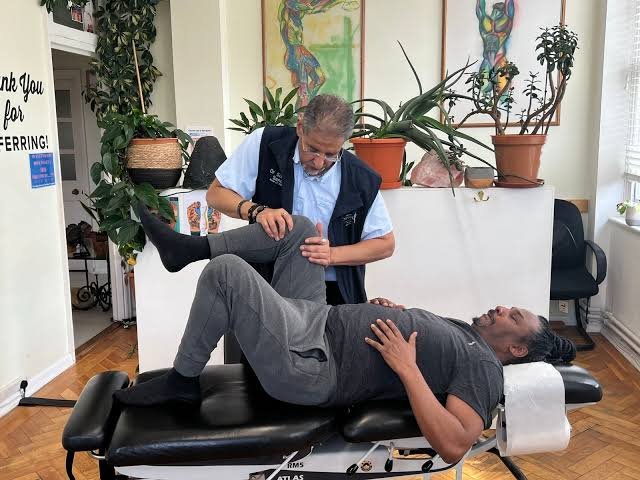



Knee pain affects a large portion of the population at some point in their lives. Symptoms range from brief, minor discomfort to persistent issues that interfere with daily movement. Knee pain specialists treat a range of causes; they can help with fractures, arthritis, bursitis, and tendonitis. Here are some reasons to visit a professional for knee-related discomfort:
Recognizing Persistent Symptoms
Duration is one of the most straightforward factors to track, and it provides a specialist with a clear starting point. Symptoms that last several weeks without improvement, or that return shortly after they subside, are worth documenting. Physical changes also provide helpful information. Redness or warmth to the touch, clicking or grinding sounds during movement, or a knee that locks or gives way are all observable details to note. Photograph visible changes over several days, especially when they appear and disappear at different times. The following details are key to record from the start:
- The date symptoms first appeared
- Whether pain is constant or comes and goes
- Any visible changes, such as bruising or swelling
- Activities that trigger or worsen symptoms
- Basic measures you have tried and their results
Noticing Activity Limitations
Knee pain that alters how you move through your day provides concrete, useful information for a specialist. Walking, climbing stairs, kneeling, and getting in and out of a vehicle are fundamental daily tasks; when these become difficult, that change is worth documenting. Pay attention to any workarounds you develop to manage discomfort, such as avoiding stairs or cutting physical activity short.
Changes in work tasks or exercise routines are equally worth noting. A knee that limits your ability to do regular activities suggests the issue may go beyond minor, temporary discomfort. Specialists routinely ask how symptoms affect daily function, so written observations help strengthen your appointment.
Experiencing an Injury
Pain that follows a specific event, such as a fall, a sudden twist, a collision, or an abrupt stop, requires prompt attention from a knee specialist. Document the date and describe how the injury occurred; note whether you heard a pop or could bear weight immediately afterward. These details help a specialist assess the injury’s nature and extent. Some reasons to seek prompt care include:
- Sudden severe pain
- An inability to bear weight
- A visible change in the knee’s shape after an injury
Treatment options for knee discomfort include medication, pain injections, and physical therapy. Surgery is sometimes needed for more severe cases; this can apply to broken bones and ligament tears. Certain specialists also offer interventional radiology treatments, such as genicular radiofrequency ablation. This approach targets specific nerves that transmit pain signals from the knee, providing relief when conservative treatments have not been effective.
Find a Knee Pain Specialist
Track your knee symptoms carefully. Recording symptom duration, activity limitations, physical changes, and injury history provides a clear picture of your condition, and these details help your healthcare provider make informed decisions. If your knee pain persists or worsens, or if it follows a fall or other type of accident, schedule an appointment with a qualified specialist today.