
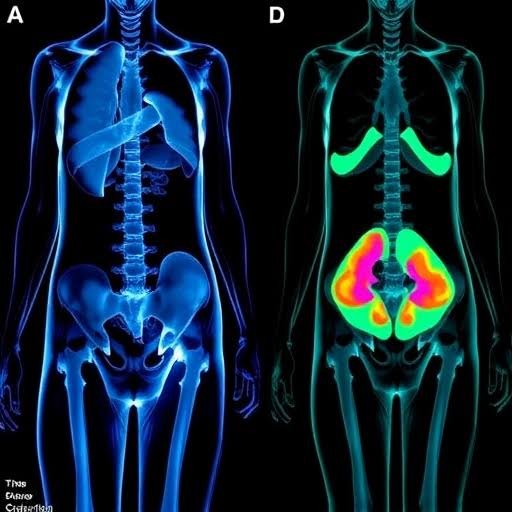



Medical imaging allows physicians to view the inside of the body without surgery; body imaging is a branch of radiology that focuses on the chest, abdomen, pelvis, and related structures. Healthcare providers often request imaging when a person reports certain symptoms, as well as when a previous test produces unclear results or when an existing condition requires monitoring over time. The images give the care team additional information to support their evaluation.
What Is Body Imaging?
Body imaging is a specialized diagnostic field within radiology. It relies on advanced technology to create pictures of structures inside the body, including organs, soft tissues, and blood vessels. These pictures allow medical professionals to examine areas that are not visible during a standard physical exam. Different imaging methods capture information in different ways. Some use small amounts of radiation, and others rely on magnetic fields or sound waves. The choice of method depends on the area being examined, as well as the type of information the care team needs.
What Is It Used For?
Body imaging applies to a wide range of concerns throughout the body. The abdomen and pelvis contain many organs, including the liver, kidneys, stomach, intestines, bladder, and reproductive organs. Imaging can show the structure of these organs, and this helps providers evaluate symptoms such as persistent abdominal pain, swelling, or changes in digestion.
Bones, joints, muscles, tendons, and ligaments make up the musculoskeletal system. Imaging can display fractures, joint changes, and soft tissue injuries. Providers may use these images to understand the source of pain or limited movement, and this information helps to inform a treatment plan. The heart and blood vessels can also be examined through body imaging. Detailed images allow providers to view blood flow, vessel walls, and the structure of the heart, supporting the evaluation of concerns related to circulation and heart function.
What Innovations Fall Under It?
Several types of exams are available, utilizing different means of capturing images. Each has distinct strengths, and your provider will recommend the one best suited to your situation. There are some common categories of imaging that specialists typically provide include:
- CT Scans: Computed tomography, or CT, combines a series of X-ray images taken from different angles, and a computer then assembles them into cross-sectional views. CT scans are frequently used to examine the head, chest, abdomen, and pelvis.
- MRI: Magnetic resonance imaging, or MRI, uses a strong magnetic field and radio waves to create detailed images. It is particularly useful for viewing soft tissues, joints, and the nervous system.
- Ultrasound: Ultrasound is a non-invasive method that uses sound waves to produce real-time images. This method is commonly used to examine organs and blood vessels in the abdomen and pelvis.
- X-Rays: X-rays produce quick images of bones and certain soft tissues using a small dose of radiation. X-rays can be the first imaging step for suspected fractures or chest concerns.
If you have received a referral for body imaging, contact a professional imaging provider to arrange your exam and receive guidance on any steps required beforehand.
Seek Professional Imaging Services
Many body imaging exams begin with an order from a physician or other healthcare provider. Before the appointment, the imaging facility may provide instructions specific to the exam. These can include fasting for several hours, or patients are told to pause certain medications.
- Exploring Management Strategies for Asthma
- Understanding the Different Types of Heel Spurs
- How To Diagnose and Treat an Ankle Sprain at Home
- Managing Neck Pain and When To Seek Professional Help
- Recognizing the Symptoms of Angina
Browse more helpful articles on YetiCoolerz.com.