When a health issue needs attention but is not an emergency, urgent care centers fill that gap. These clinics treat minor illnesses and injuries. They typically accept walk-in patients, and many offer on-site diagnostics. Here are four practical advantages for everyday health needs:
On-site Labs
Urgent care centers typically have labs and X-ray equipment on site. Staff collect samples during your visit, and the clinic processes many tests in the same building. Since results come back sooner, providers can start treatment before you leave. Typical on-site tests include:
- Strep and flu tests
- COVID-19 tests
- Urinalysis for urinary tract infections
- Pregnancy tests
- Basic blood work
- X-rays for fractures or sprains
Some tests require an outside lab, and those results may take a few days. Ask the front desk which tests the clinic runs on site. If a center sends your sample out, staff will usually call or text you with results. These services lead to accurate answers and a clear treatment plan as quickly as possible.
Walk-in Availability
Most urgent care centers do not require an appointment, which helps when symptoms start without warning. You check in at the front desk, and staff calls patients based on arrival time and medical need. Wait times vary by time of day and season.
Many clinics offer online check-in. When you reserve a spot online, you wait at home instead of in the lobby. Some centers post live wait times on their websites, so you see current conditions before leaving.
Weekday mornings may be busy, and nighttime visits differ. Mid-afternoon on weekdays may bring shorter waits. If your symptoms allow some flexibility, a mid-afternoon visit may reduce your time in the lobby. Bring your ID, insurance card, and a list of current medications.
24-hour Services
Some urgent care centers stay open 24 hours, which is an added convenience. Hours differ from one location to the next. Check the clinic’s website first, or call ahead to confirm current hours.
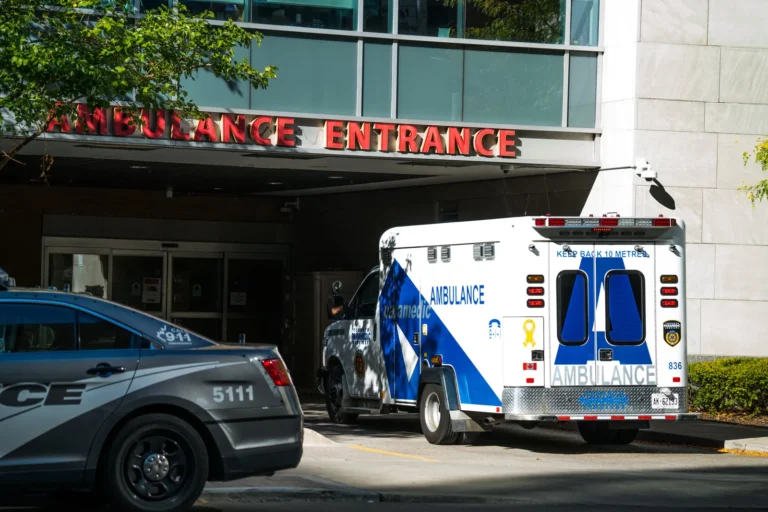
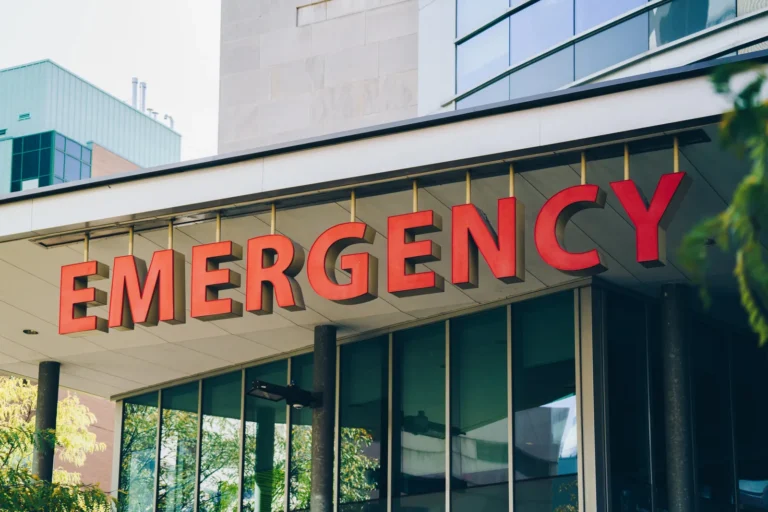
Overnight care fits shift workers and parents of sick children. A child may spike a fever at 2 a.m., and a primary care office will likely be closed. When a nearby center operates around the clock, you avoid waiting until morning for a minor issue. For chest pain, trouble breathing, or severe bleeding, call 911 instead.
Flu-like Symptom Care
Flu season can lead to sickness, and urgent care visits provide the care you need. Since antiviral medicine works more effectively within two days of symptom onset, an early visit has practical value. Providers often test for flu, COVID-19, and strep at the same visit. If symptoms worsen after a few days, return to the clinic or contact your doctor. Typical reasons to visit include:
- Fever symptoms
- Body aches and chills
- Cough or sore throat
- Congestion that persists
- Dehydration from vomiting or diarrhea
Visit an Urgent Care Today
Before you visit, check the center’s hours, accepted insurance, and self-pay prices. Many clinics list their services online, and some offer telehealth visits for minor concerns. Urgent care offers one more option for non-emergency needs. Keep the address and phone number of a nearby center saved on your phone.